
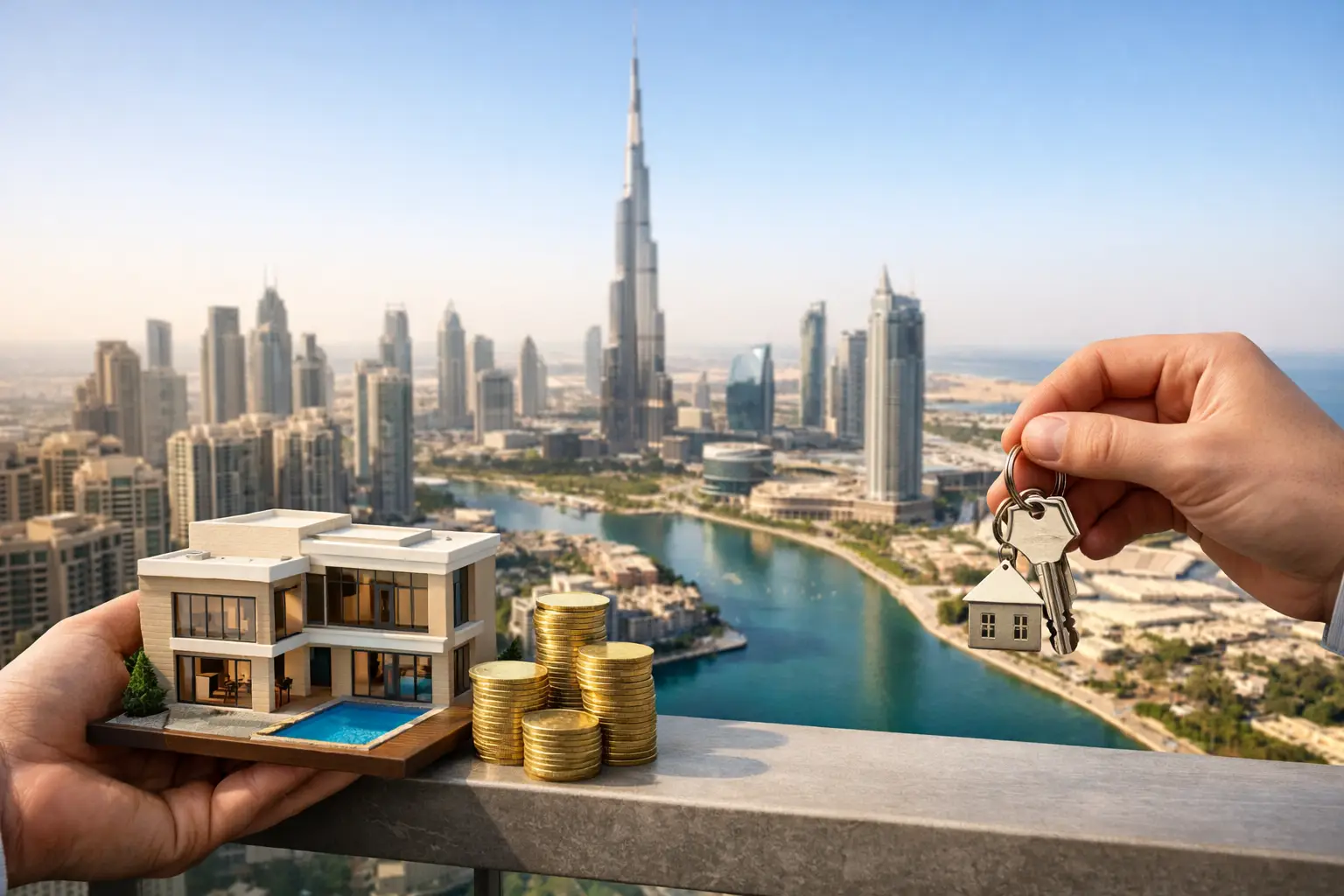
A villa near a new metro link, a waterfront apartment launched at the right point in the cycle, and a branded residence in an oversupplied pocket can all sit in the same city and deliver very different outcomes. That is the core of what affects property appreciation Dubai - not just whether prices rise, but why one asset outperforms another over three, five, or ten years.
For investors, this matters because Dubai is not a single market. It is a set of micro-markets shaped by infrastructure, developer execution, population growth, financing conditions, and policy support. Based on current market behavior, appreciation is strongest where demand is durable, supply is disciplined, and future livability is improving faster than pricing.
What affects property appreciation Dubai most?
The biggest drivers are location quality, infrastructure access, supply-demand balance, developer reputation, and the entry price you pay. Rental demand also matters because strong yields can support resale values, especially in investor-led districts.
This is why two apartments with similar layouts can perform differently. A unit in a community with schools, retail, transport access, and limited upcoming inventory typically has stronger pricing power than a larger unit in a less connected area with heavy future supply.
Dubai Land Department transaction activity and listing portal data consistently show that liquidity concentrates in established and improving corridors, not evenly across the city. Investors should read appreciation through that lens: depth of demand is often more important than headline market momentum.
Location still drives appreciation, but not in the old way
In mature global cities, location usually means prime centrality. In Dubai, location is broader. It includes proximity to business districts, airport connectivity, lifestyle infrastructure, coastline access, school clusters, and major road or metro networks.
Areas linked to employment centers such as Downtown Dubai, Business Bay, Dubai Marina, and Jumeirah Lake Towers tend to maintain demand because they serve both end users and tenants. Meanwhile, newer growth corridors can appreciate faster if they start from a lower base and gain infrastructure on schedule. That often creates a different risk-reward profile: core areas may offer more stability, while emerging zones may offer higher upside with more execution risk.
Infrastructure can reprice an area quickly
Road upgrades, new metro expansion, master community amenities, and large mixed-use developments can materially change future values. Investors often underestimate how strongly transportation and convenience affect resale demand.
If commute times fall, foot traffic improves, and services expand, an area becomes easier to lease and easier to sell. That is why infrastructure-led appreciation tends to be more durable than speculation-led price spikes.
Dubai has repeatedly shown this pattern. Communities that moved from concept to connected living environment generally saw pricing improve once schools, retail, parks, and transport access became real rather than promised.
Supply and demand matter more than headlines
A rising market does not guarantee strong appreciation in every district. One of the clearest answers to what affects property appreciation in Dubai is supply discipline.
If too many similar units are scheduled for handover in the same submarket, resale competition can cap price growth even when overall demand is healthy. This is especially relevant in off-plan heavy communities, where investor concentration may be high and many owners may try to exit or lease at the same time.
By contrast, communities with limited near-term supply, proven occupancy, and broad tenant appeal often show better price resilience. Historically, that combination supports both steady rents and stronger resale confidence.
Why unit type matters within the same area
Supply is not only about the number of homes. It is also about the type of inventory. Studios may face more competition in some districts, while family-sized townhouses can outperform if end-user demand is deep and future stock is limited.
Investors targeting appreciation should track not only area-wide launches but also the exact segment they are buying into - studio, one-bedroom, townhouse, branded unit, or villa. A strong area can still underperform for a specific unit category if that category is oversupplied.
Developer quality has a direct effect on resale value
In Dubai, the developer is not a branding detail. It is part of the investment case. Delivery timelines, build quality, service charge efficiency, community management, and reputation in the resale market all affect appreciation.
Projects from established developers often command stronger confidence because buyers expect better execution and lower post-handover uncertainty. That does not mean lesser-known developers cannot perform well. It means investors should price in the risk of delays, specification changes, or weaker long-term maintenance.
A building that ages poorly, carries high service charges, or develops a reputation for operational issues can lose momentum even in a rising area. Over five years, that gap can become substantial.
Entry timing shapes returns more than many investors expect
Appreciation is partly about market direction, but it is also about basis. Buying a strong asset at an inflated launch price can reduce medium-term upside. Buying a similar asset at a better entry point can materially improve total return.
This is particularly relevant in Dubai because pricing cycles can move quickly. Interest rate expectations, foreign capital inflows, and new launch sentiment all influence short-term pricing. Investors should compare launch premiums, ready market alternatives, and recent transaction benchmarks rather than assuming every new release offers appreciation potential.
Off-plan versus ready property
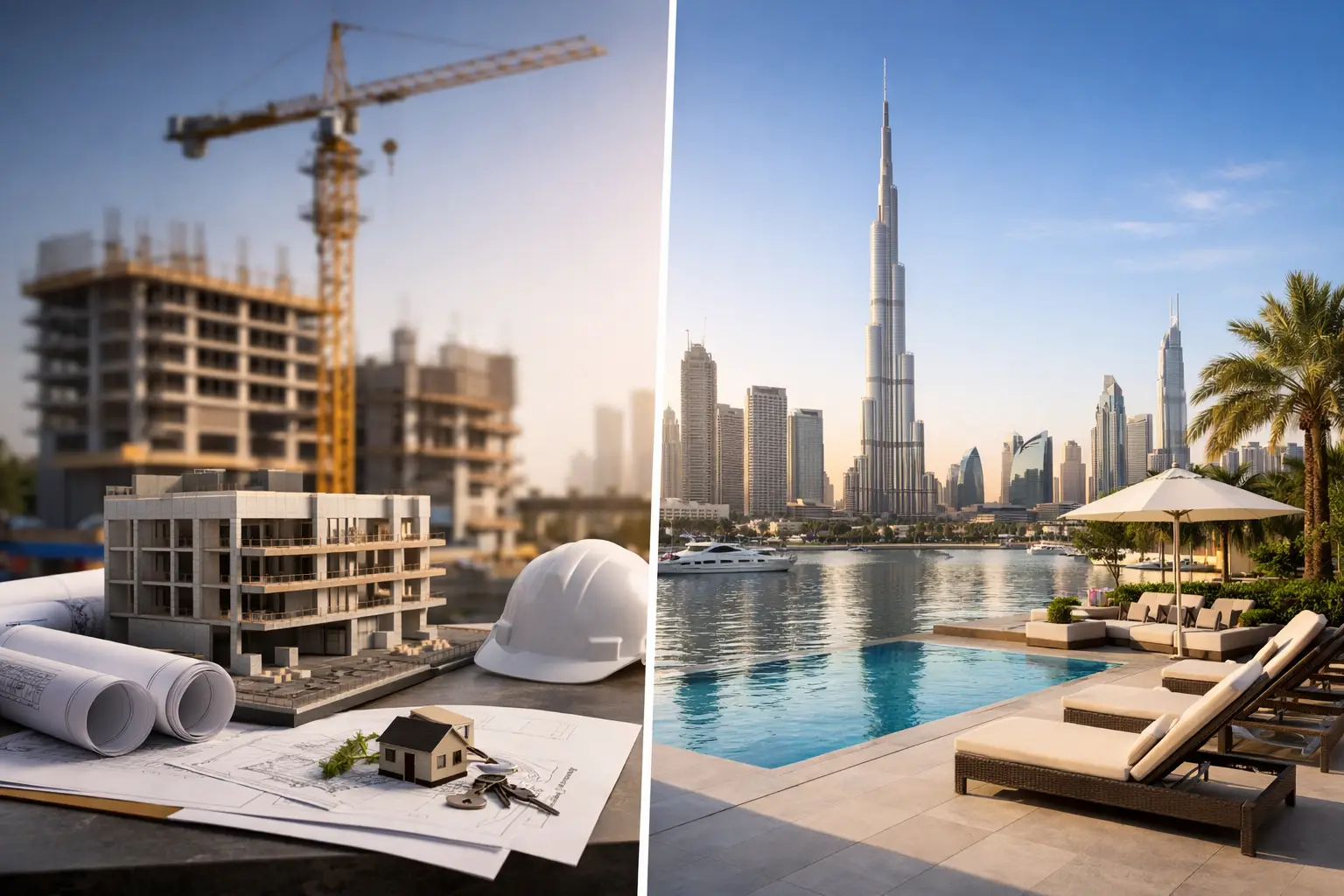
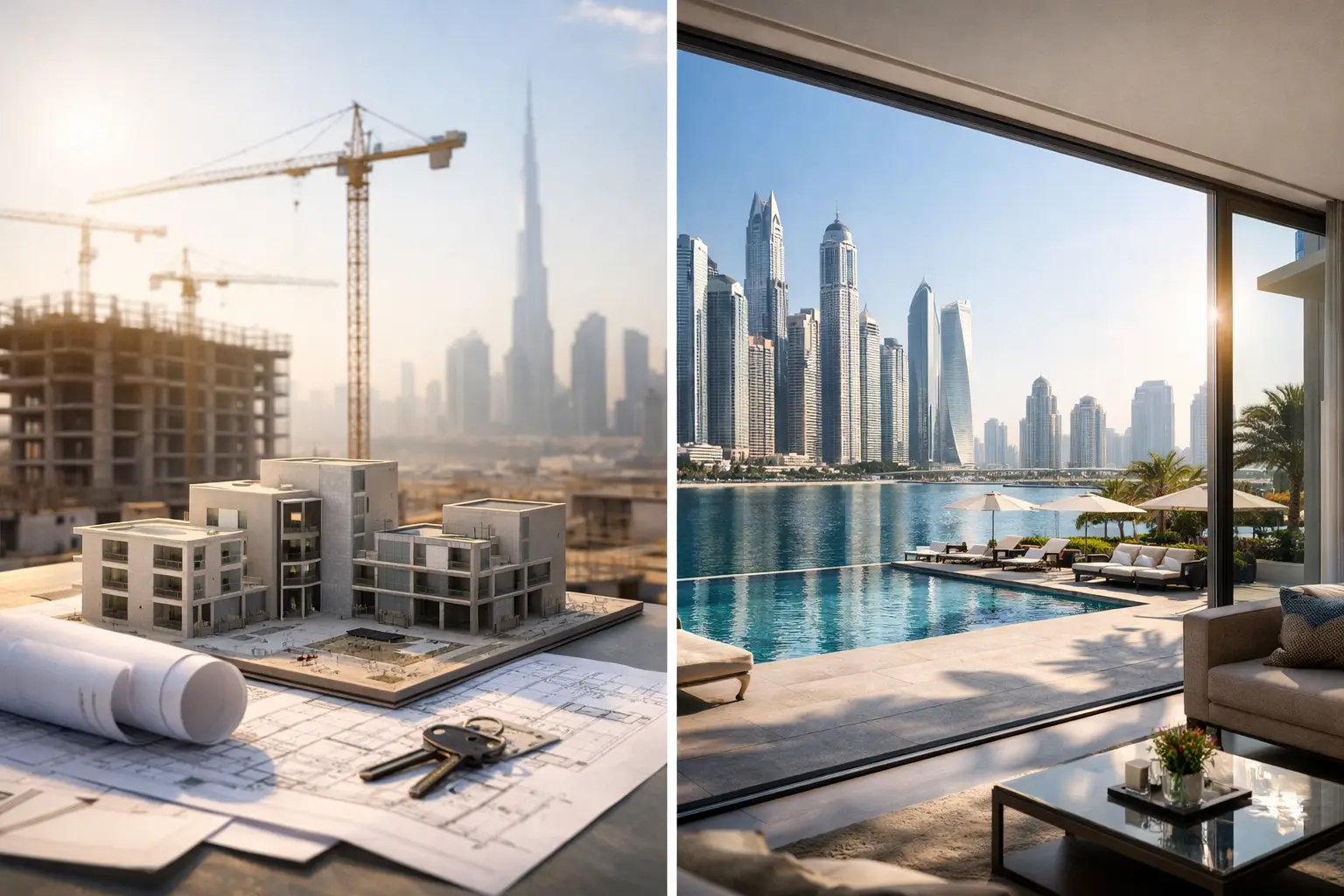
Off-plan can offer stronger appreciation if the launch is competitively priced, the developer is credible, and the area is improving during construction. Ready property can offer better visibility because rents, service charges, actual quality, and real resale comparables are already known.
The trade-off is simple. Off-plan may offer higher upside with more execution and cycle risk. Ready property usually offers clearer downside protection and immediate income, though often at a higher entry price.
Rental strength supports capital growth
Dubai remains attractive to global investors because rental yields are often more competitive than in many gateway markets in Europe, the UK, Canada, or major Us cities. That matters for appreciation because assets with healthy rental economics are easier to hold and easier to justify on resale.
If gross yields in a community are compelling relative to financing costs and service charges, investor demand tends to remain stronger. In practical terms, this creates a valuation floor. Buyers are not relying only on future price growth - they are also buying income.
Areas with consistent tenant demand from professionals, families, or short-stay operators usually benefit most. However, investors should distinguish between sustainable yield and temporarily inflated rents. Appreciation is stronger where rental demand is broad-based and repeatable.
Regulation and policy reduce friction and support confidence
Government policy is one of Dubai's underappreciated value drivers. Foreign ownership frameworks, escrow protections, residency pathways including Golden Visa eligibility thresholds, And a tax-efficient environment all support investor confidence.
Compared with many international markets, Dubai offers a simpler ownership and income framework for many buyers. There is no Annual property tax In the same way investors may face in other jurisdictions, and rental income tax treatment is comparatively attractive. For international buyers, that can improve net returns even if headline purchase prices appear similar to other markets.
Policy stability also matters. Markets with clear rules, transparent transfer systems, and strong transaction enforcement tend to attract long-term capital, not just speculative flows. That type of capital is generally better for sustainable appreciation.
Macro factors still matter
No property market operates in isolation. Dubai appreciation is influenced by population growth, business formation, tourism, interest rate direction, and global wealth migration. The emirate benefits when high-income professionals, entrepreneurs, and internationally mobile families continue to relocate or expand operations here.
This is one reason Dubai has compared well with some Western markets in recent years. Investors are not assessing only property prices. They are assessing tax treatment, safety, business climate, currency stability, and residency options together.
That said, macro support does not remove asset-level risk. If financing costs stay elevated or supply rises faster than expected in a specific corridor, appreciation can slow even when the broader UAE story remains strong.
Practical signals investors should watch
For anyone evaluating what affects property appreciation Dubai, a few indicators usually carry more weight than marketing language:
- Price per square foot trends versus neighboring communities
- Rental growth and occupancy depth
- Upcoming handovers in the same unit category
- Developer delivery record and service charge profile
- Confirmed infrastructure, not just proposed plans
- End-user demand, especially in family-oriented districts
These indicators help separate short-term excitement from durable value creation. Based on current market data, the strongest opportunities usually sit where multiple factors align rather than one headline catalyst doing all the work.
FAQs
Is Dubai property appreciation guaranteed?
No. Dubai has delivered strong capital growth in many periods, but appreciation depends on the property, area, entry timing, and future supply. Investors should evaluate each asset on its own fundamentals.
Do off-plan properties appreciate more in Dubai?
Sometimes, but not always. Off-plan can outperform if bought at the right price in a location with improving infrastructure and controlled supply. It also carries construction and timing risk.
Which areas in Dubai usually show stronger appreciation?
Historically, areas with strong connectivity, limited quality supply, and broad end-user appeal tend to perform well. Established prime districts and selected emerging master-planned communities can both appreciate, but for different reasons.
Does rental yield affect appreciation?
Yes. Strong rental demand can support resale values because the property remains attractive to income-focused investors. Yield alone is not enough, but it is an important part of the return profile.
A disciplined investor does not ask whether Dubai will appreciate in general. The better question is which asset is most likely to capture the city’s growth with the least avoidable risk. That is where careful market intelligence makes the difference.
Frequently asked
Questions buyers ask about this topic
What affects property appreciation Dubai? Learn how location, supply, infrastructure, developer quality, yields, and regulation shape returns.
Keep reading
Investment
Investing In Dubai Real Estate: A Complete Guide For 2026
12 min read
Investment
Abu Dhabi VS Dubai Investment: Which Wins?
7 min read

Investment
First-Time Dubai Buyer Guide For Investors
7 min read

Investment
How To Verify Property Developer In The UAE
7 min read
Investment
Can Property Generate Passive Income?
7 min read
Investment
Studio VS One Bedroom Investment In Dubai
7 min read

Investment
Infrastructure Impact On Property Values
7 min read

Investment
International Investor Due Diligence Guide
8 min read
Investment
How Rental Yield Is Calculated Correctly
7 min read
Investment
Infrastructure Growth Areas Dubai Investors Track
7 min read
Investment
Dubai Transaction Costs Breakdown For Buyers
7 min read
Investment
UAE Real Estate Outlook 2027
7 min read

Investment
Guide To UAE Property Escrow
7 min read
Investment
How To Finance Dubai Property In 2026
7 min read
Investment
Dubai Property Legal Process For Buyers
7 min read
Investment
Emaar Developer Track Record In Dubai
7 min read
Investment
Is Dubai Property Market Safe For Investors?
6 min read
Investment
Top Emerging Investment Zones UAE In 2026
7 min read
Investment
Property Investment In The UAE: What Matters
7 min read
Investment
Apartment Versus Villa Investment In UAE
7 min read
Investment
Dubai Off Plan Risks Guide For Investors
7 min read
Investment
What Fees Apply To Buyers In Dubai?
7 min read

Investment
How To Evaluate Off Plan Developers
7 min read

Investment
Dubai Luxury Market Trends In 2026
7 min read

Investment
Dubai Investor Due Diligence Guide
7 min read
Investment
How Off Plan Payments Work In Dubai
7 min read
Investment
Dubai Apartment Or Villa Investment?
7 min read

Investment
How To Assess Capital Appreciation
7 min read
Investment
High Yield Property Dubai: Where Returns Hold
7 min read
Investment
Top Branded Residences Dubai To Watch
7 min read
Investment
Can Foreigners Buy Property In Dubai?
7 min read
Investment
How To Calculate Rental Yield UAE
7 min read
Investment
Best Dubai Off Plan Launches For Investors
7 min read
Investment
Is Dubai Property Tax Free? The Real Answer
7 min read
Investment
How To Buy Property In Dubai Smartly
7 min read
Investment
Buy Property In Dubai For Residency
7 min read
Investment
Luxury Villas Dubai: Investment Outlook
7 min read
Investment
Dubai Property Investment Guide 2026
8 min read

Investment
Dubai Real Estate Trends 2026: What Matters
7 min read
Investment
Best Areas For Rental Yield In The UAE
7 min read
Investment
UAE Golden Visa Property Guide 2026
7 min read
Investment
Off Plan Versus Ready Property In Dubai
7 min read
Investment
Dubai Real Estate: What Investors Should Know
7 min read
Investment
UAE Property Taxes For Foreigners Explained
7 min read
Investment
Best Developers In Dubai For Investment
7 min read
Investment
Dubai Off Plan Payment Plans Explained
7 min read
Investment
7 Best Dubai Areas For Rental Income
7 min read
Investment
Abu Dhabi Property Investment Guide 2026
7 min read
Investment
Dubai Real Estate Investment Opportunities Now
7 min read
Investment
Future Projects In Dubai That Matter To Investors
7 min read
Investment
Future Of Dubai Real Estate Market In 2026
8 min read
Investment
How To Invest In Dubai Real Estate Smartly
7 min read
Investment
Rental Yields Dubai By Area In 2026
8 min read
Investment
Off Plan VS Ready Property Dubai: Which Wins?
7 min read
Investment
Golden Visa Property Requirements UAE
7 min read
Investment
Dubai Property ROI By Area: 2026 Outlook
7 min read
Investment
Best Areas To Invest In Dubai 2026
7 min read